§ BUILD LOG 001 · ENGINEERING SAMPLE
The Forbidden Silicon Workstation
Ten engineering-sample i9 chips bought from a Chinese seller. One went into a Mini-ITX build. The GPU wouldn't train, so the chip became a Proxmox hypervisor. Cinebench R2026 rank five globally at submission, beating a 32-core Threadripper with sixteen. The workshop homelab now runs on it.
§01 ORIGIN · FORBIDDEN SILICON
Tried it with a GPU. Didn't train. Made it a server.
I bought ten of these chips from a Chinese seller. Engineering samples. Pre-release silicon Intel makes a hundred of for board partners to validate motherboards against before retail launch. Most never see daylight outside a lab. These ten did.
ES silicon and discrete graphics is a known coin-flip with this batch class. Some chips train a GPU cleanly, some won't, and there's no reliable way to know which is which until you fire it up. The general guidance is "graphics card has to be inserted into the last PCIe slot" — workable on ATX, dead on a Mini-ITX board with one slot.
I tried anyway. Card in, board powered up, GPU didn't train. Could have kept hunting board-and-chip combinations, but the Mini-ITX case was already in play and the chip is more interesting as a hypervisor than as another gaming rig. What was left was 16 cores, 24 threads, DDR5-6000, and integrated UHD 770 graphics. Which is exactly what a Proxmox box wants. The build became a server and got the job that suits it.
§02 THE BUILD · SPECIFICATION
What's in it, what's interesting about each part.
The OS sees the CPU as "Genuine Intel(R) 0000". Intel never bothered giving QX7E samples a marketing name, so that string lives in /proc/cpuinfo. It will live there forever. Tell me that isn't its own kind of beautiful.


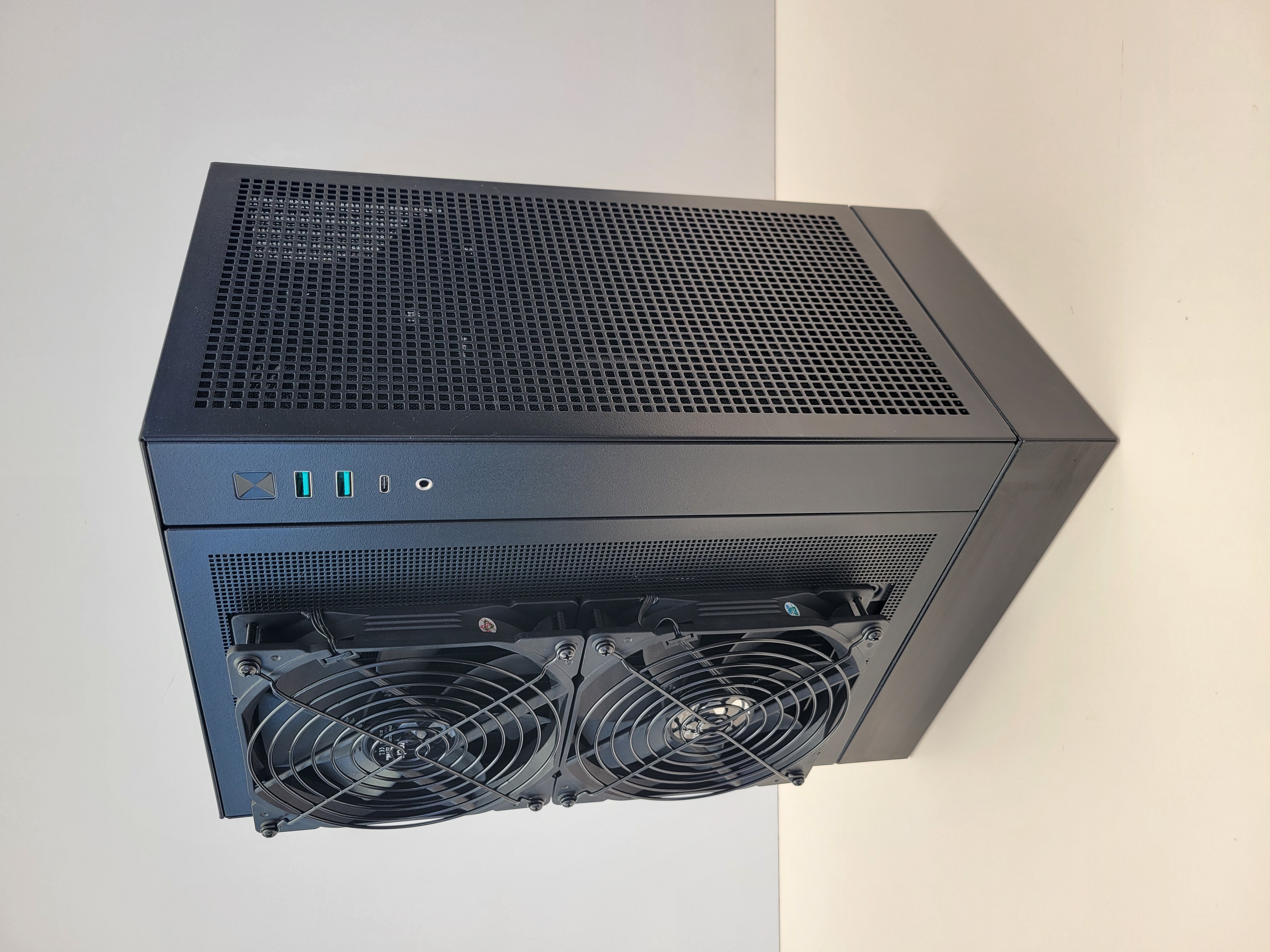
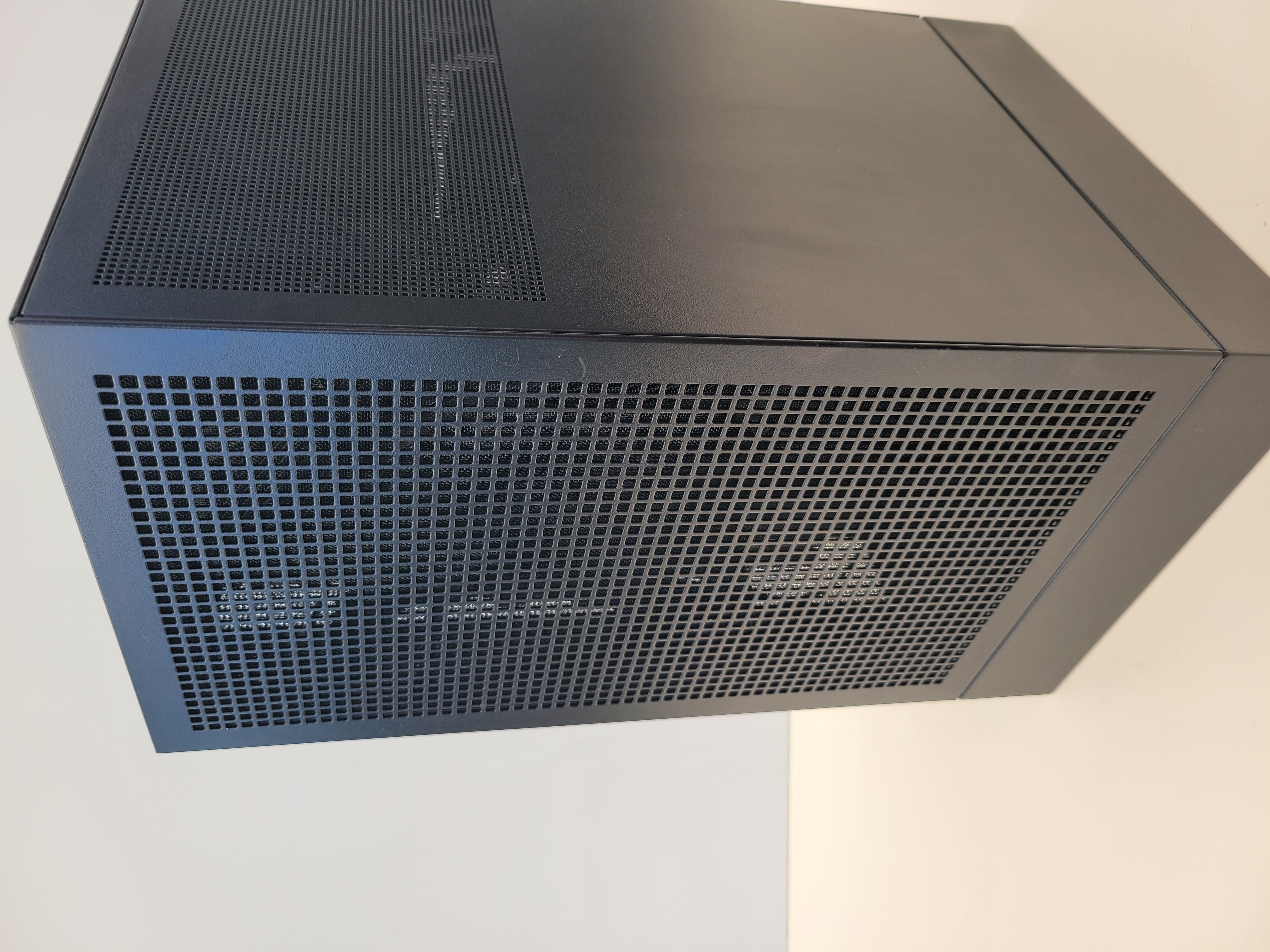
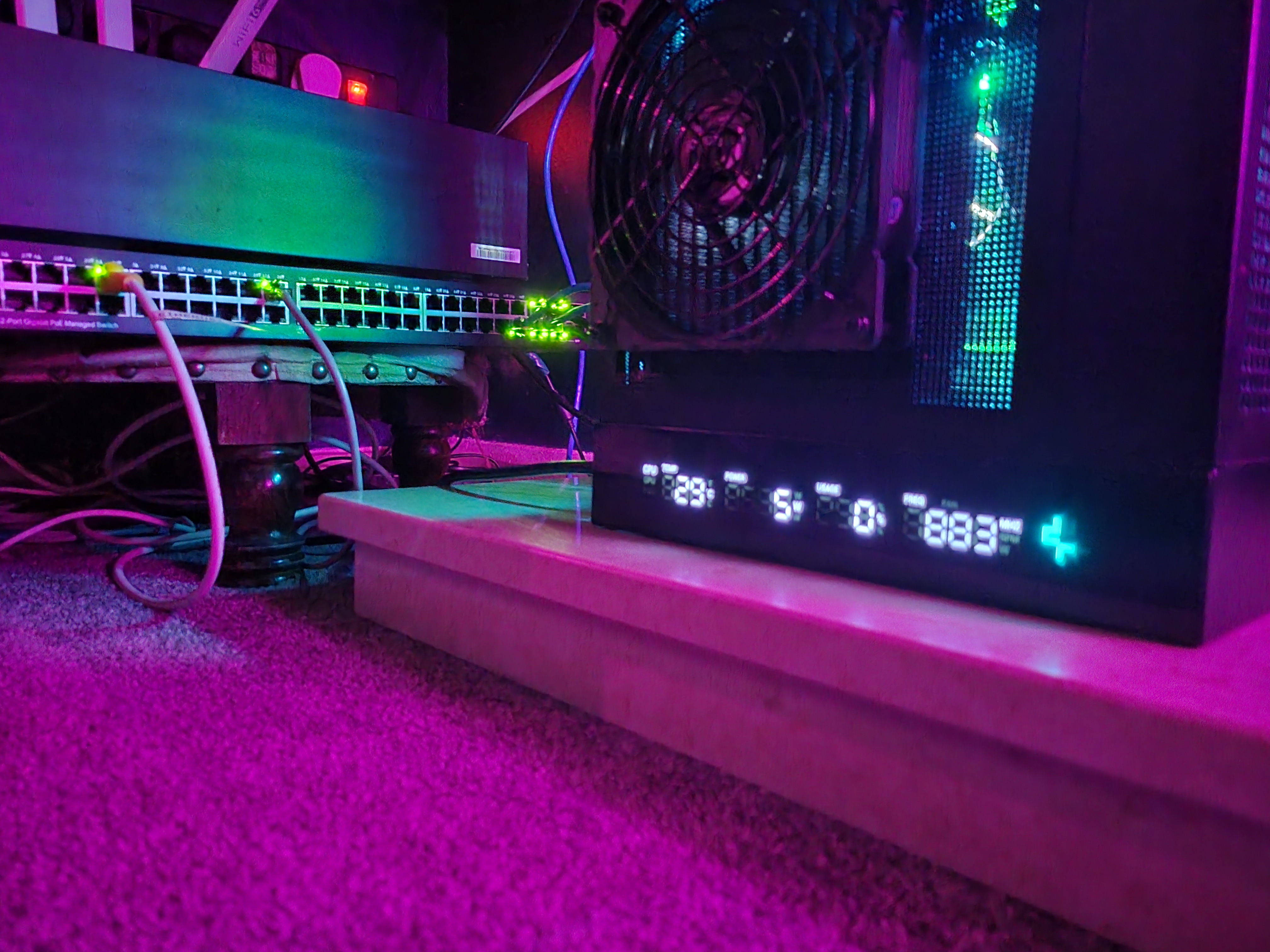
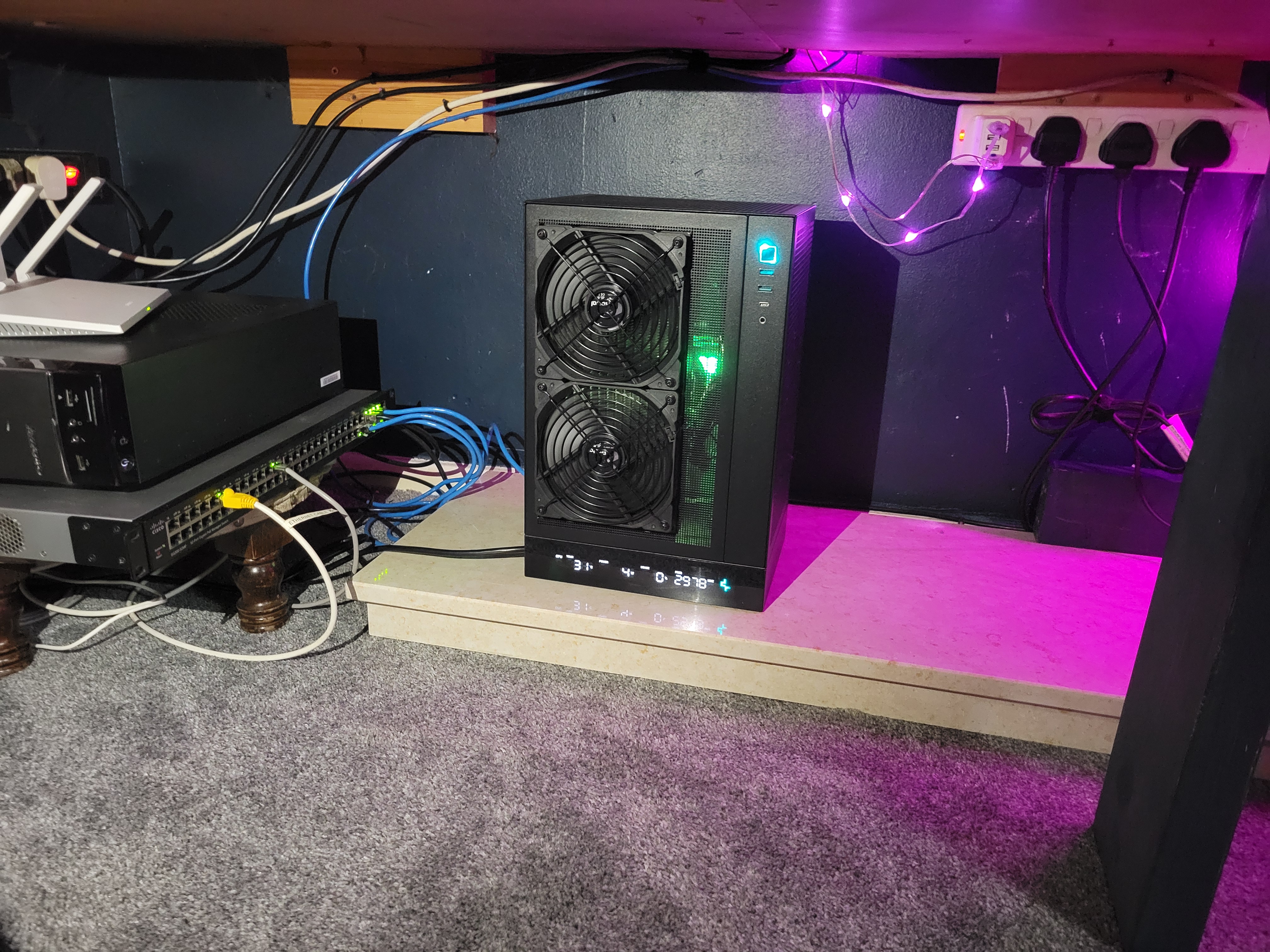
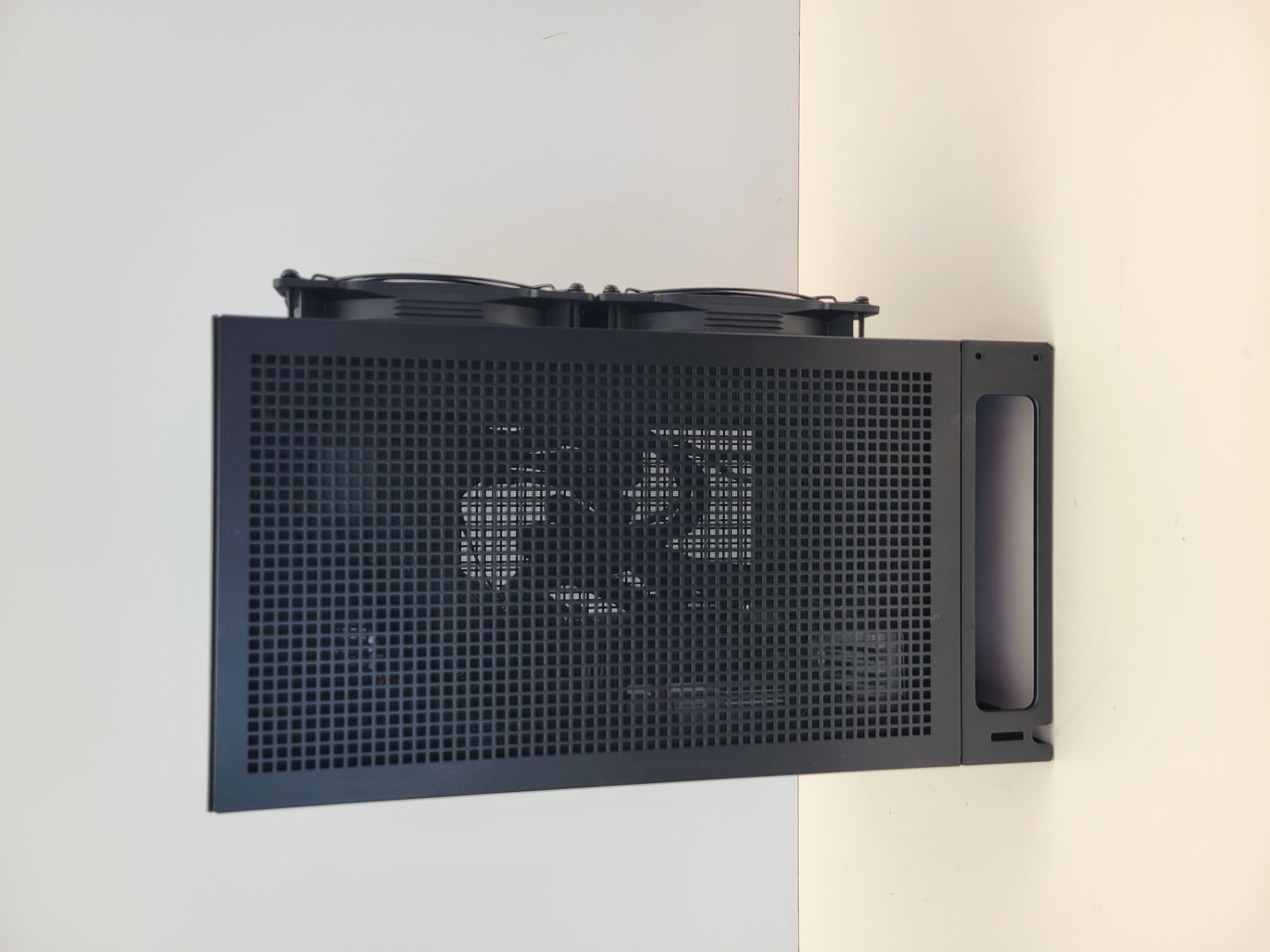
The case is a DeepCool CH170 Digital. Quiet, looks like industrial design rather than gamer plastic, and has a front-panel display that I'm still working on getting talking to Linux. The side panel needed profile work with a Dremel to accommodate the top-mounted GP-14 fans in an almost-external radiator geometry. That bit took an evening and patience.
| CPU | Intel Core i9-12900K Engineering Sample · QX7E · B0 stepping · 16C / 24T |
|---|---|
| Motherboard | MSI MPG Z790I EDGE WIFI |
| Memory | 32 GB DDR5-6000 · Kingston Fury Beast · EXPO trained |
| Cooling | Fractal Celsius+ S28 Dynamic 280mm AIO + 2× Fractal GP-14 PWM, top-mounted |
| Storage | 1 TB Crucial P310 Gen4 NVMe |
| PSU | DeepCool PL750D · 750W Bronze SFX |
| Case | DeepCool CH170 Digital · Mini-ITX · profile-worked side panel |
| OS | Proxmox VE 9.1.7 |
| Reports as | Genuine Intel(R) 0000 in /proc/cpuinfo |
§03 CINEBENCH R2026 · MULTI-CORE
Sixteen cores at 4.7 GHz, beating a 32-core Threadripper.
Submitted to Cinebench's public scoreboard. Verifiable at the rank shown. The chip isn't doing anything magical. It's just unrestricted ES silicon on a permissive board that doesn't enforce Intel's retail power limits. The result is a CPU that pulls what it needs and runs as hard as you let it.
It also means the chip runs hot. Peak 88–92°C under full Cinebench in a sealed ITX volume. The S28 holds it. The fans audibly work. Nothing throttles. If I wanted it cooler I'd give it a bigger case. I don't.
§04 FIELD NOTE · THE 99% INSTALL HANG
Proxmox 9.1 wouldn't finish installing. mce=off fixed it.
The installer hit 99%, paused on librdmacm1t64, and sat there. ES silicon ships with ancient microcode. Newer Linux kernels run Machine Check Exception handlers that retail chips never trigger but ES silicon sometimes will. The kernel sees what it interprets as a hardware fault, halts the install, and tells you nothing useful.
The fix is mce=off in the kernel command line. One parameter. It tells the kernel to stop listening for MCE events. The install ran clean after that. The parameter now lives permanently in /etc/default/grub. If anyone ever buys this machine and strips it from the boot config, it won't reboot.
This is the kind of thing ES silicon does. The microcode is from before the world existed. You learn what to disable.
§05 IN SERVICE · WHAT IT DOES NOW
Workshop hypervisor. Multiple VMs, none stepping on each other.
Proxmox runs as the hypervisor. The machine carries multiple VMs handling different workloads in isolation:
- A scraper VM pulling pricing data from UK indie retro game shops, feeding a database on the Contabo VPS.
- A Windows Server 2022 VM running a DayZ Sakhal game server for a community.
- A Debian 13 template cloned whenever a new sandbox is needed.
- Queued next: local LLM inference, a Companies House data project, whatever's next.
24 threads means everything runs simultaneously without contention. 32 GB RAM is enough for serious work without being so much it's wasted. The 2.5GbE port saturates the fibre line. The Crucial P310 keeps up with everything thrown at it.
§06 PHOTOGRAPHY · BUILD & ENVIRONMENT
Build record.
§07 WHY BUILD IT
Forbidden silicon is interesting.
Engineering-sample silicon that beats Threadrippers exists, and most people don't know about it. The work of taking undocumented, never-meant-for-release silicon and turning it into infrastructure you actually trust is satisfying in a way that buying a Dell isn't.
There are nine more of these chips. This one is mine. Whether the others end up as customer builds, ITX servers, or something stranger isn't decided yet. They're not on the shop floor. They're on the bench, waiting for the right brief.
Want a machine built like this?
The validation regime, the documentation pack, the level of care over what goes in and why — that's the standard for every Sovereign commission. Drop a line if you'd like one of your own.